

Electronic signatures on employment documents: are they legally valid in Spain?
Contracts, internal policies, HR communications signed digitally — here's what EU and Spanish regulation says about the legal validity of electronic signatures in the workplace.
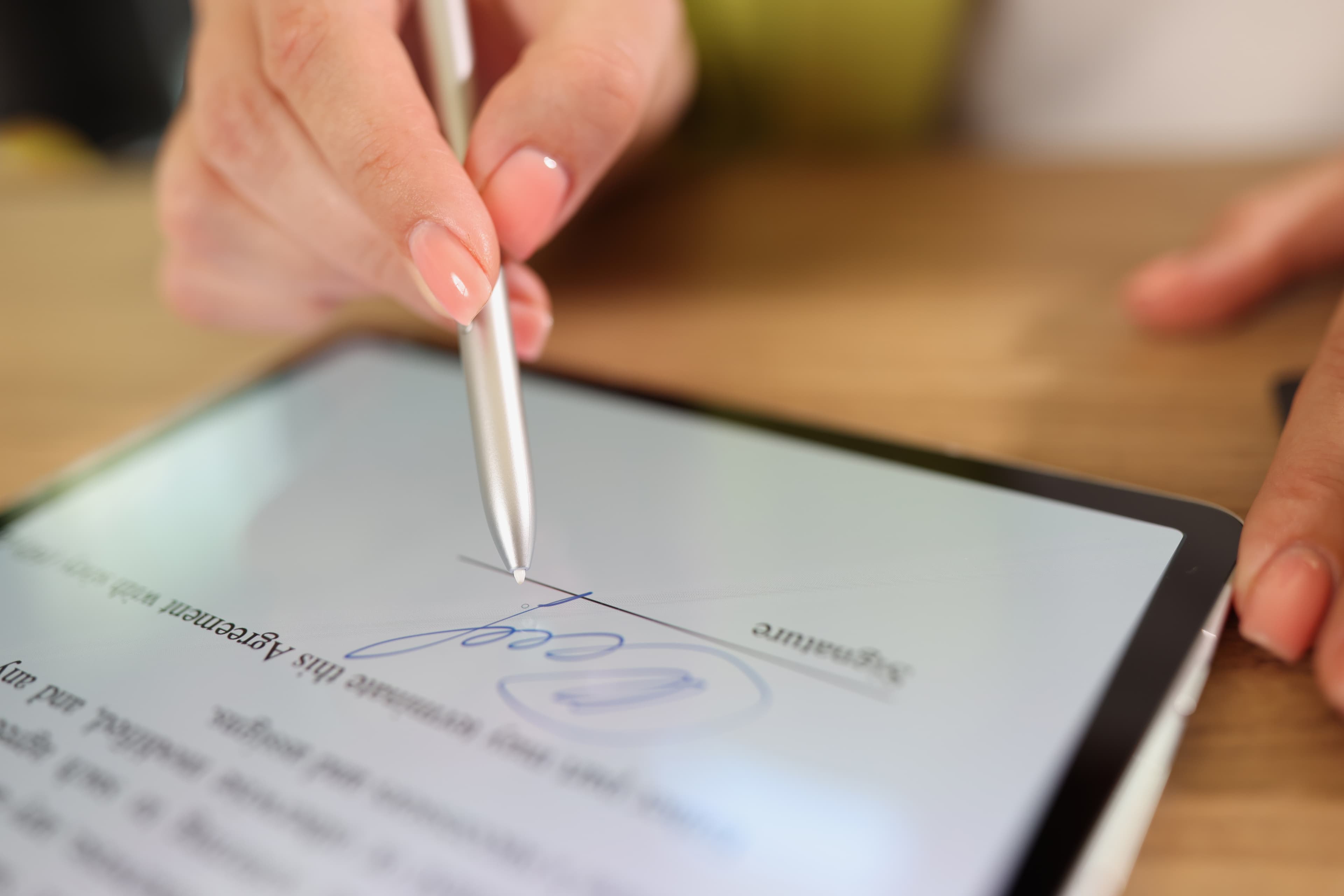
Electronic signatures in the workplace are regulated at the EU level by the eIDAS Regulation (Regulation (EU) No 910/2014), and in Spain this is complemented by Spanish Law 6/2020, which regulates certain aspects of electronic trust services. The general conclusion is clear: electronic signatures are legally valid in Spain, including for employment documentation, as long as the system used is appropriate for the type of document being signed.
The three levels of electronic signature
- Simple electronic signature: any data in electronic form attached to other data, used by the signer to sign (for example, checking an acceptance box with basic user identification).
- Advanced electronic signature: allows the signer to be identified with additional guarantees and detects any later change to the signed document. This is the typical level used for contracts and internal policies.
- Qualified electronic signature: the highest level of assurance, legally equivalent in effect to a handwritten signature in any procedure, with the strongest presumption of validity before a court.
What level does each document need?
Not every employment document requires the same signature level. For acknowledgment of internal policies or informational communications, a simple or advanced signature is usually enough. For employment contracts and documents with greater evidentiary weight in the event of a dispute, an advanced signature level at minimum is advisable, since it leaves verifiable proof of who signed, when, and that the content hasn't been altered afterward.
Why this matters more than it seems
The real value of an electronic signature isn't just saving paper: it's having verifiable, time-stamped proof that a specific document was accepted by a specific person on a specific date. When a discrepancy comes up later (for example, whether an employee received and accepted a given policy), that traceability is worth far more than a signed paper that may have been lost in a filing cabinet.
How One HR solves this
One HR's document management includes electronic signatures by default: when signing a document, the employee receives a verification code by email confirming their identity at the moment of signing, and the signed document is archived with that full traceability in their history, accessible to both the employee and HR whenever it's needed.
Frequently asked questions
Are electronic signatures legally valid on employment contracts in Spain?
Yes, as long as the appropriate signature level is used (usually advanced), in accordance with the eIDAS Regulation and Spanish Law 6/2020.
What's the difference between simple, advanced and qualified signatures?
Simple is the lowest guarantee level (e.g. checking a box), advanced identifies the signer and detects later changes, and qualified is legally equivalent to a handwritten signature.
What signature level do I need for an employment contract?
At minimum, an advanced electronic signature, which leaves verifiable proof of who signed, when, and that the content wasn't altered afterward.
Can I electronically sign internal policies and announcements?
Yes, a simple or advanced signature is usually enough for acknowledgment of internal policies.